Just like the human body, a car requires the right conditions to perform at its best. Hence, understanding the common causes of engine overheating and how to prevent it can save time, money, and frustration.
Common Causes of Engine Overheating
It’s safe to say your car does not overheat without reason. Identifying the underlying issues at play can help keep your engine safe and your journeys stress-free.
- Low Engine Oil
Oil doesn’t just lubricate; it also helps remove heat from engine parts. Hence, when your car runs low on oil, it can result into excessive engine heating.
- Faulty Water Pump
A water pump circulates coolant throughout your engine, preventing overheating. If this component gets faulty, it compromises its ability to move coolant efficiently. Consequently, the liquid will not reach all the necessary parts of the engine, allowing heat to build up unchecked.
- Low Coolant
This is one of the most common causes of engine overheating.
Coolant, a mix of water and antifreeze, helps regulate engine temperature by absorbing excess heat. Similar to engine oil, coolant gradually depletes over time and requires replenishment. Without enough coolant, your car’s engine won’t stay as cool as it should.
- Faulty Thermostat
There goes another common culprit behind engine overheating.
The thermostat controls the flow of coolant into the engine by detecting the engine’s temperature and determining when to send the coolant. When malfunctioned, the thermostat can become stuck in a closed position, preventing coolant from reaching the radiator for cooling.
- Damaged Expansion Tank
This component helps regulate the entire cooling system’s pressure. However, if the expansion tank is cracked, faulty and or unable to release the pressure from the radiator, it can cause overheating in the engine.
Signs of an Overheating Engine
Here are few indicators to watch for:
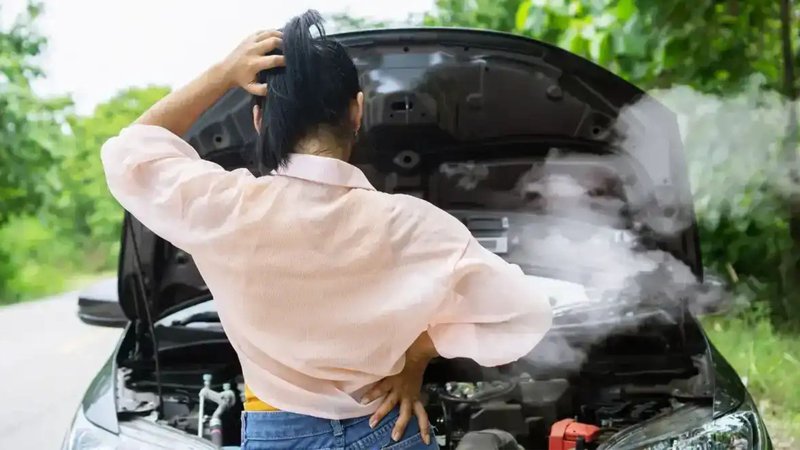
- Steam escaping from the bonnet.
- Smoke from the engine.
- Unusual thumping and knocking sounds.
- Reduced power resulting to poor performance issues.
- Dashboard warning light signalling rise in engine temperature.
Conclusion
Engine overheating can occur due to various issues, from low coolant to damaged expansion tanks. We highly recommend performing regular checks of the cooling system, engine oil, and radiator to aid prevent overheating and keep your car in good health. Don’t wait until your car overheats on the road. Visit any of our countrywide branches and let us handle your vehicle maintenance with top care and professionalism.